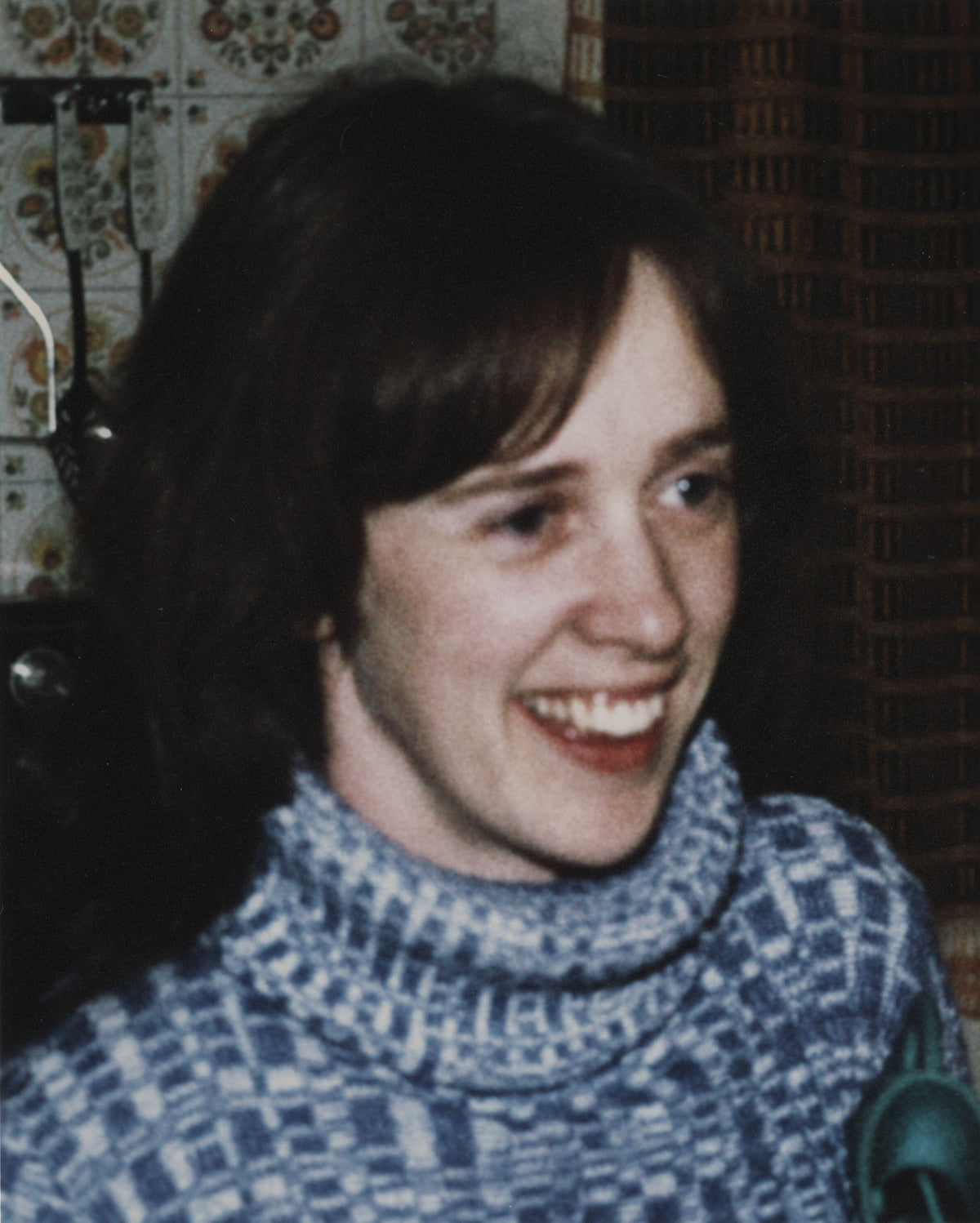
A Cambridge girl
Jean Marian Purdy was born in Cambridge on 25 April 1945. She grew up on Langham Road, off Perne Road. Her father worked at the Cavendish Laboratory. At the County High School for Girls she played violin in the orchestra, and in 1963 she passed A levels in physics, chemistry and biology.
She trained as a nurse at Addenbrooke's Hospital and qualified in December 1966. According to her friend Rosemary Carter, she worked at Southampton General Hospital, then in research on tissue rejection in the early days of kidney transplants, then briefly at Papworth Hospital. In 1968 she joined Robert Edwards in Cambridge as his assistant.
Ten years on the road
Patrick Steptoe worked in Oldham, far to the north. So for ten years Jean Purdy and Bob Edwards made the journey together, again and again. Her own expense records suggest she spent even more days in Oldham than he did.
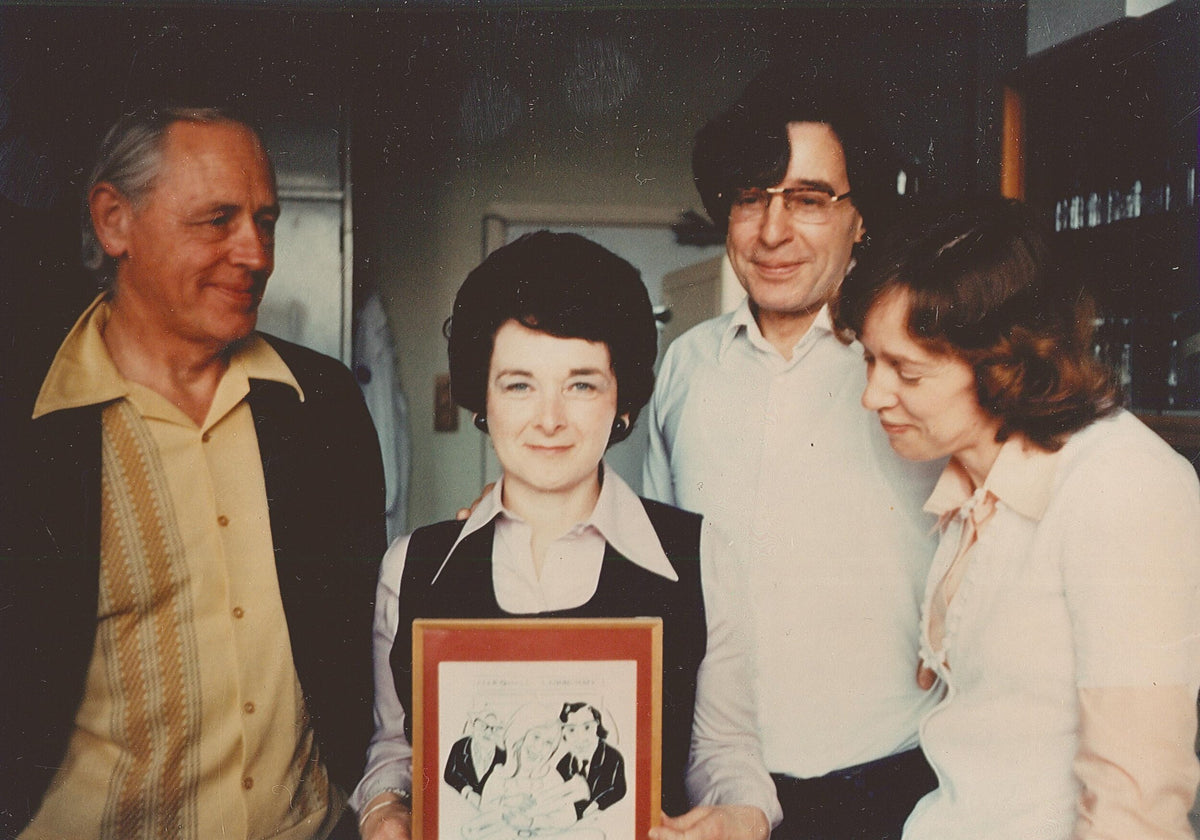
She ran the laboratory. She made up, sterilised and tested the culture media, whose recipes kept changing. She ordered the supplies. She wrote up about three quarters of the Oldham notebooks in her own neat hand. One volume, of tables and data, is hers alone. Patients remembered her kindness.
“It was no longer just Patrick and me. We had become a threesome.”Robert Edwards, A Matter of Life, 1980
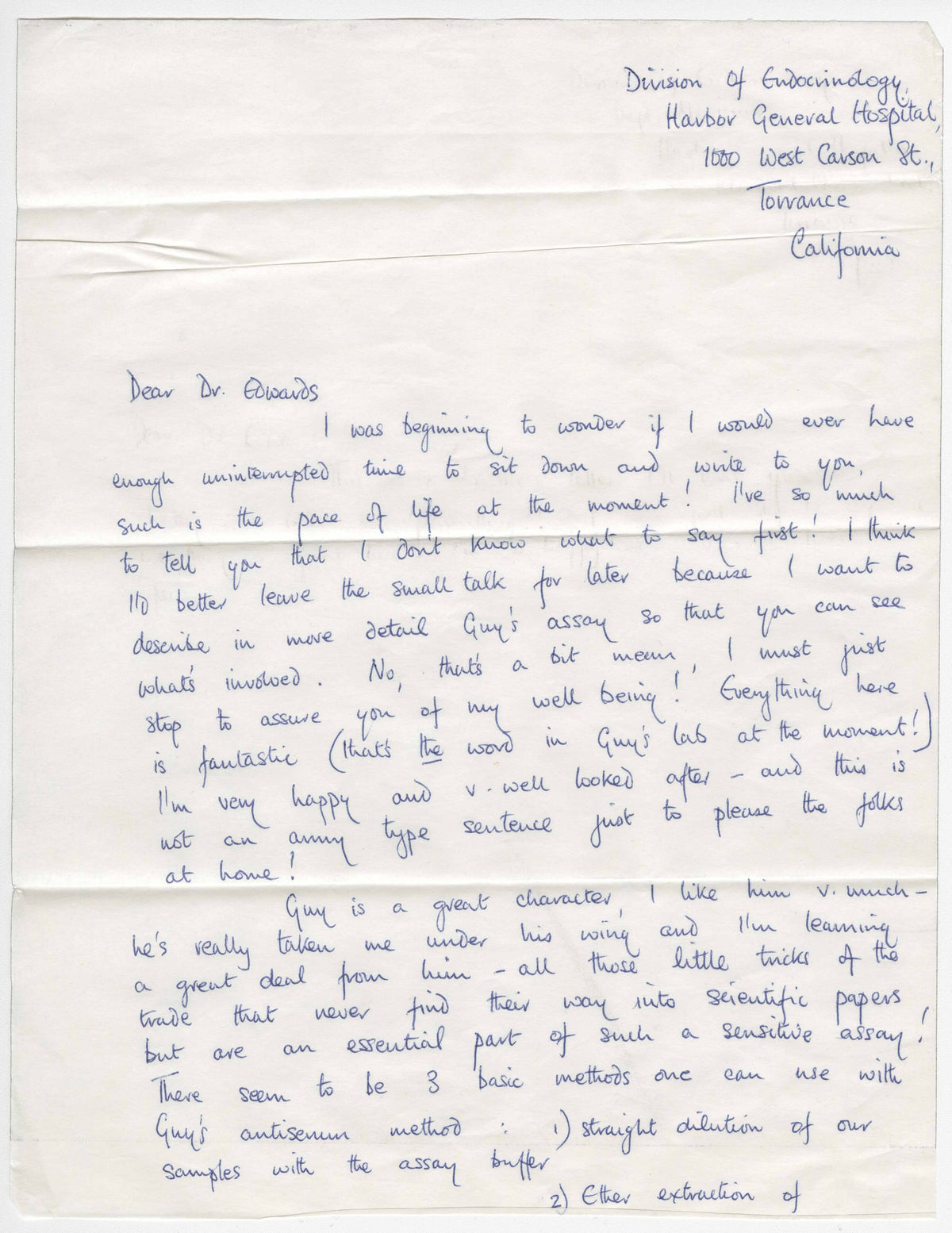
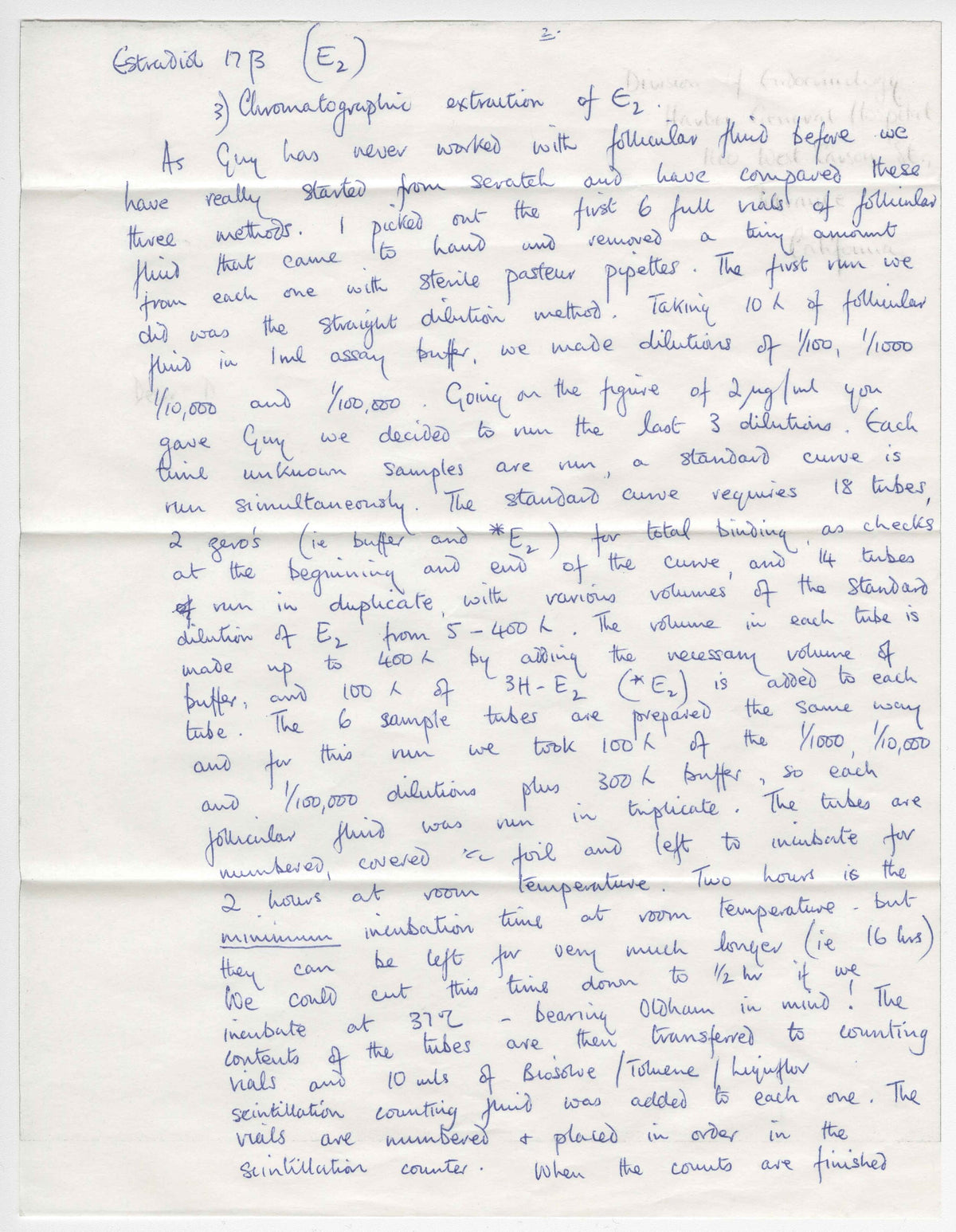
California, 1969
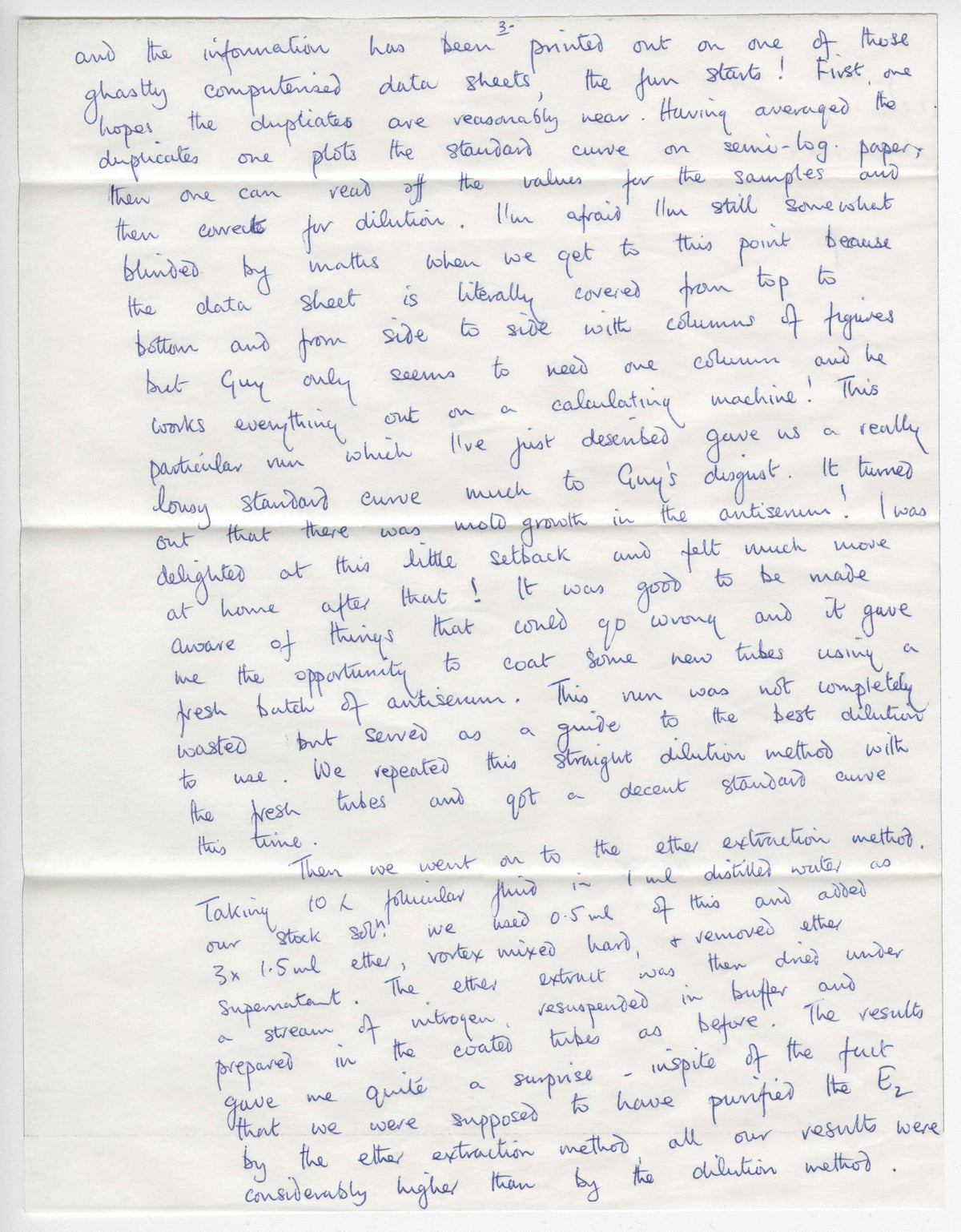
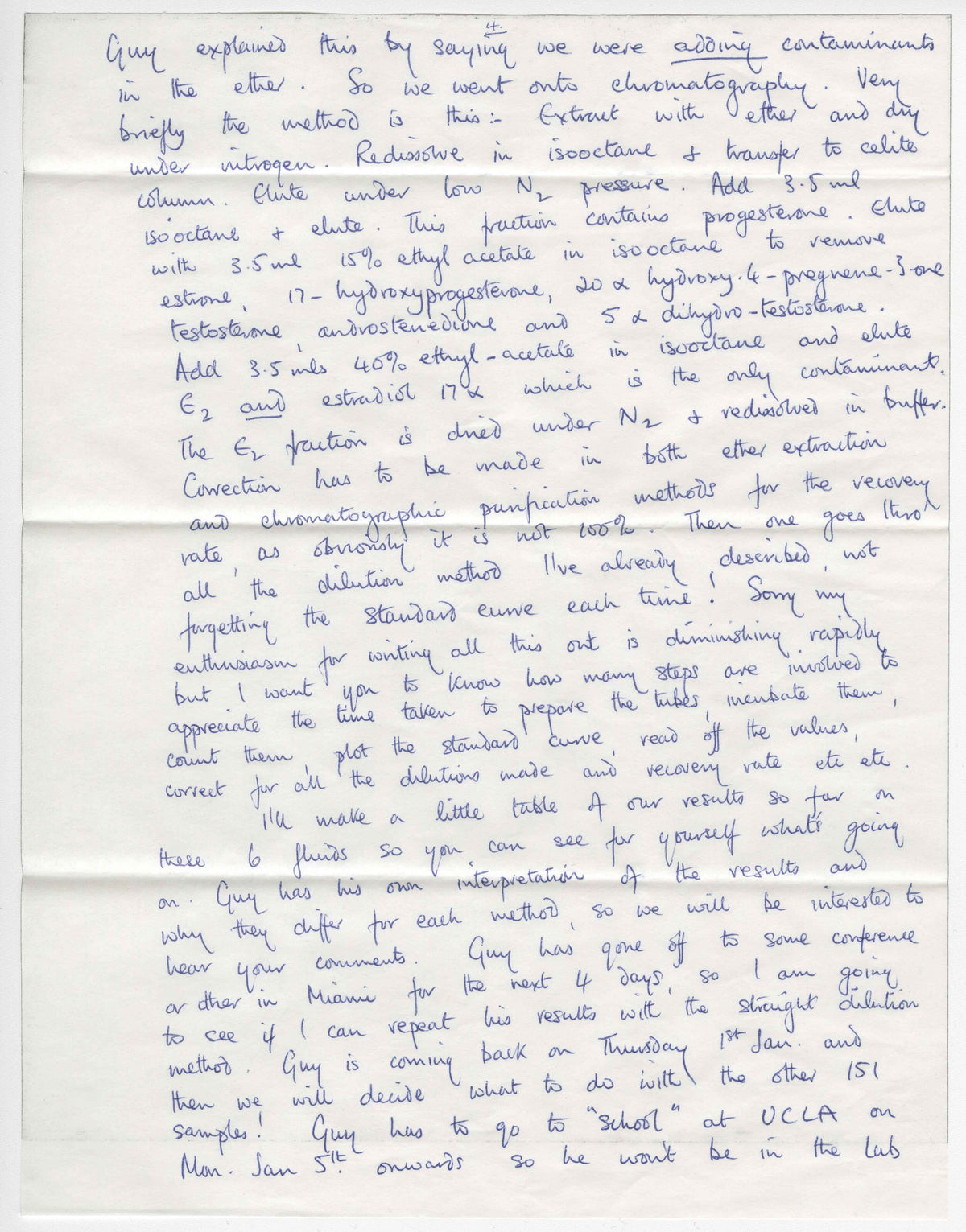
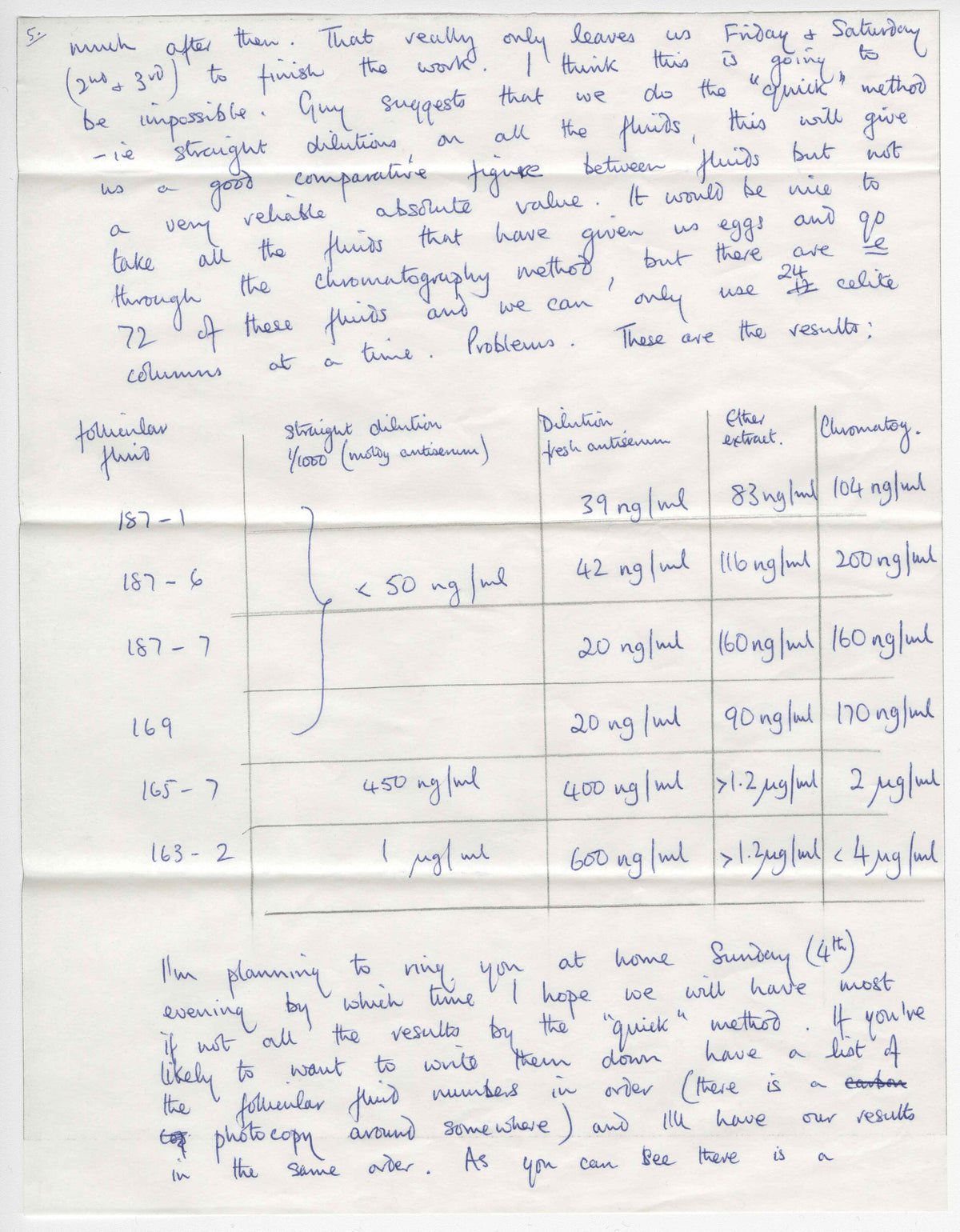
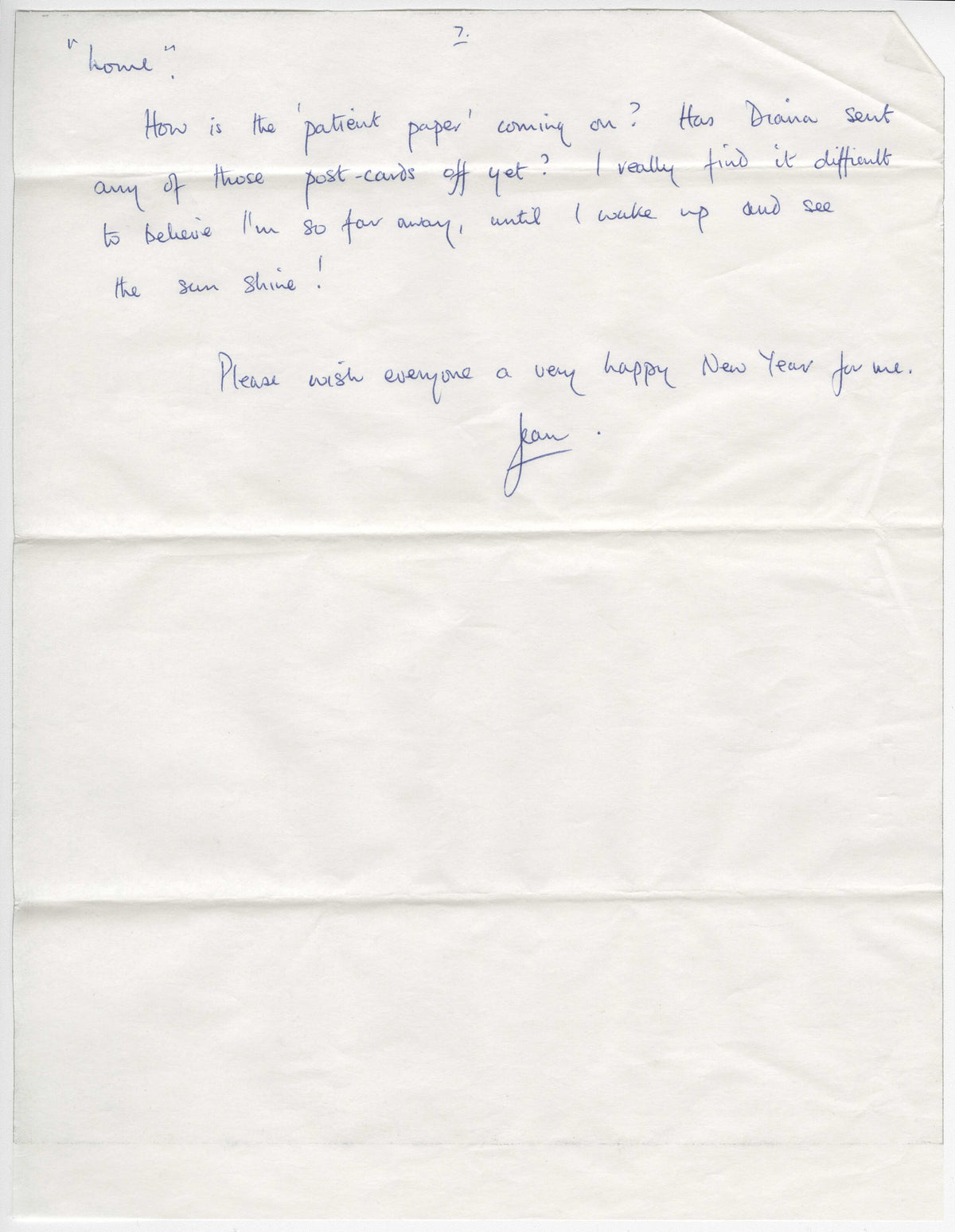
In 1969 she travelled to California to work on follicular fluid, the liquid that bathes a ripening egg. It was a problem that had to be solved before IVF could work. In December she wrote to Edwards describing her experiments in detail. The letter survives, seven pages long.

Her name appears on the papers that marked each step: fertilisation and early division of human eggs in Nature in 1970, human blastocysts grown in culture in 1971, and the first IVF pregnancies reported in 1980. Her Times obituary, widely believed to be by Edwards, called her “the first person in the world to recognize and describe the formation of the early human blastocyst”.
Louise, and Bourn Hall
On 25 July 1978 Louise Brown was born in Oldham. Jean Purdy had been part of the work from the very beginning.
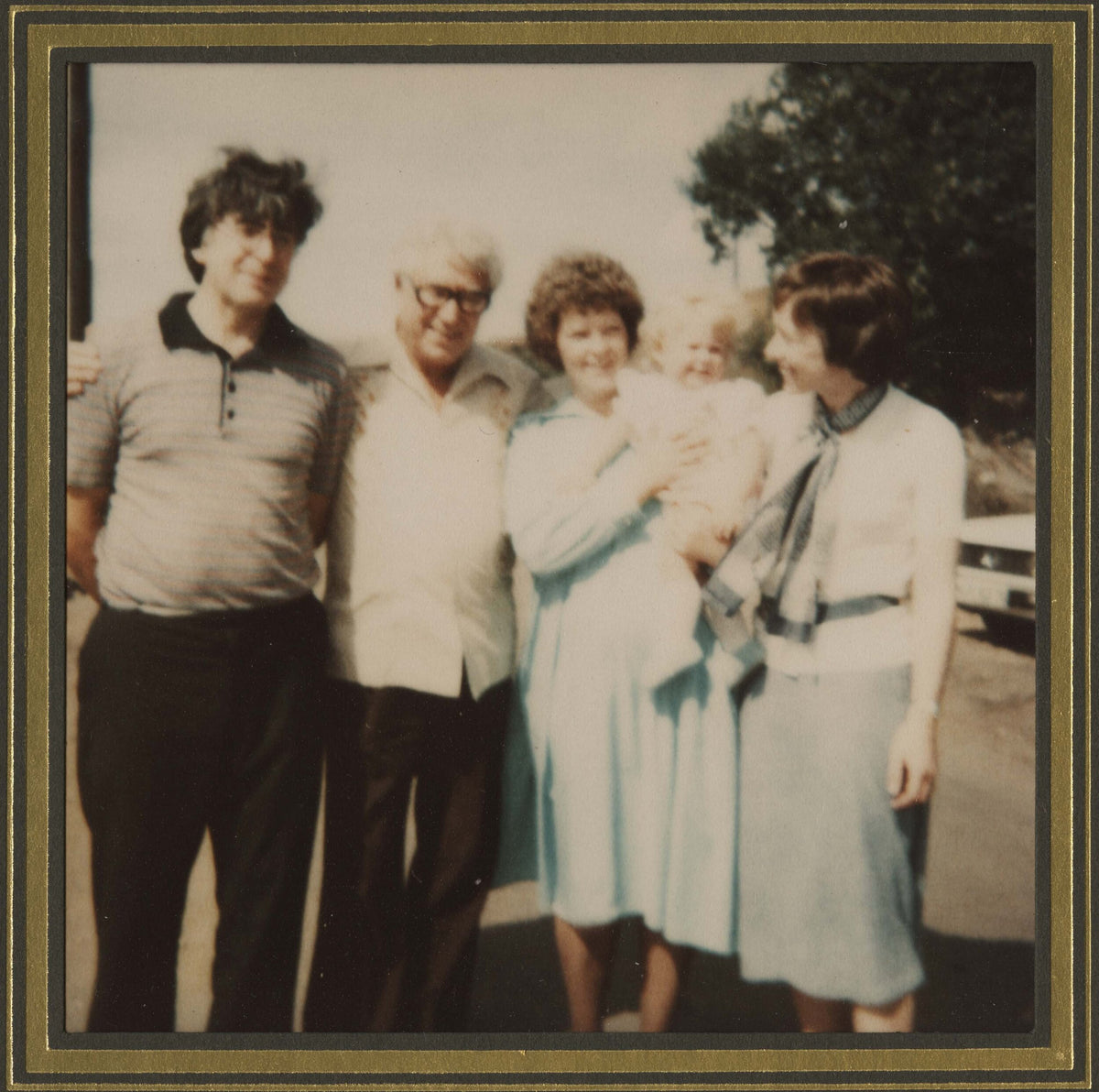
When the team needed a home of their own, it was Jean, friends recalled, who found Bourn Hall, a Jacobean house near Cambridge. When it opened in 1980 she was its technical director. The first Bourn Hall science notebook is in her handwriting and Edwards'. She wrote its summary of the first thirty cases. She also lettered the clinic's history by hand, in beautiful calligraphy.
Too soon
Jean Purdy developed melanoma. A room was made ready for her at Bourn Hall so that she could stay part of the team. She died on 16 March 1985, aged 39, and is buried in Grantchester churchyard.
“She shared all of the scientific work and much of the clinical work, being the first to describe the formation of the human blastocyst in vitro, designing the first aspiration catheter, sharing in the introduction of urinary assays for LH and participating in so many other aspects of the work.”Edwards and Steptoe, preface to Implantation of the Human Embryo, 1985
The fight for her name
In July 1980 Edwards wrote to Oldham asking for two plaques to mark the work, so that Jean Purdy and the rest of the team could be named. He was told only one was possible. It named only Edwards and Steptoe.
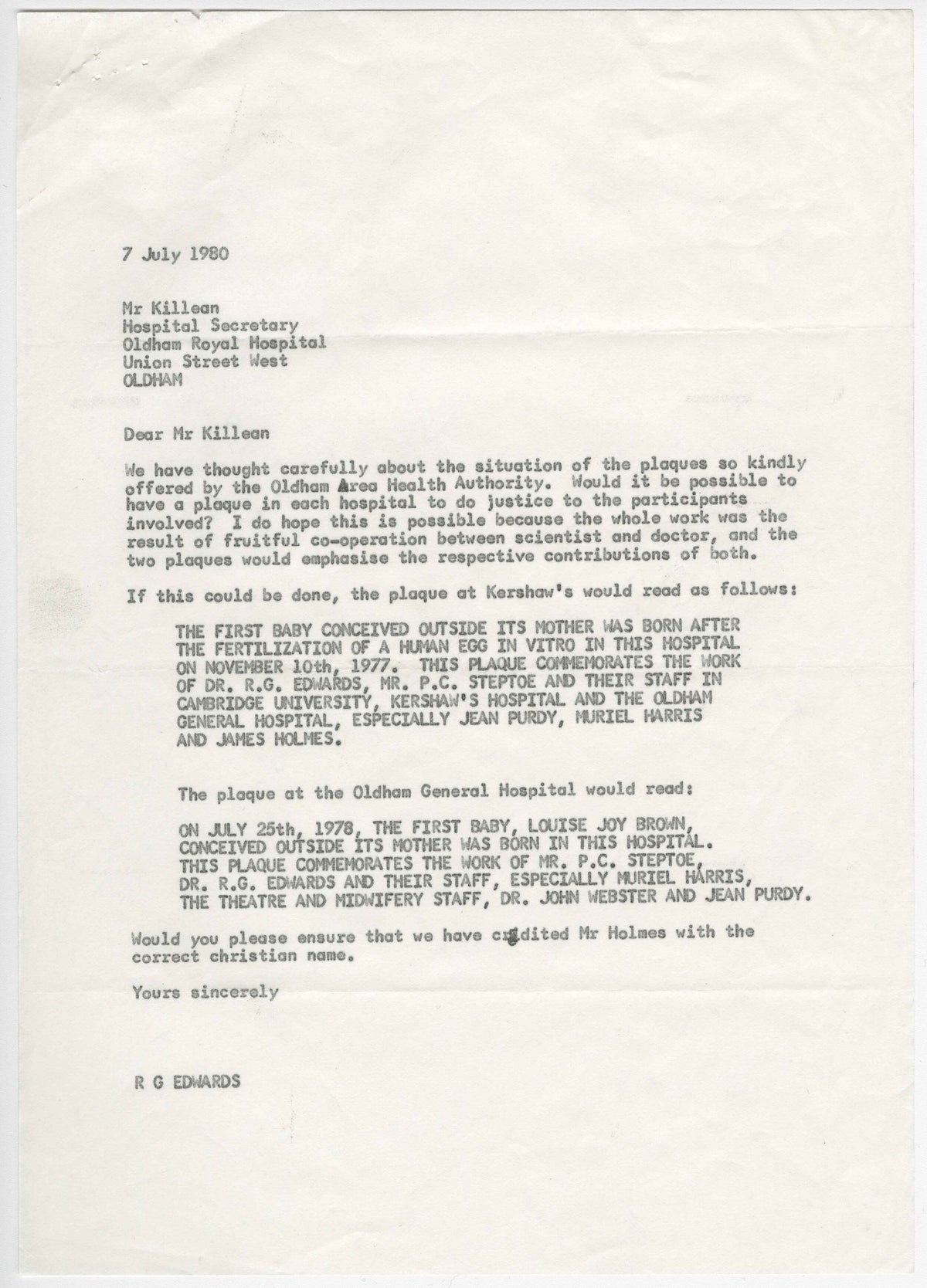
“I feel this especially about Jean Purdy, who travelled to Oldham with me for 10 years, and contributed as much as I did to the project. Indeed, I regard her as an equal contributor to Patrick Steptoe and myself.”Robert Edwards, letter to Oldham, January 1981
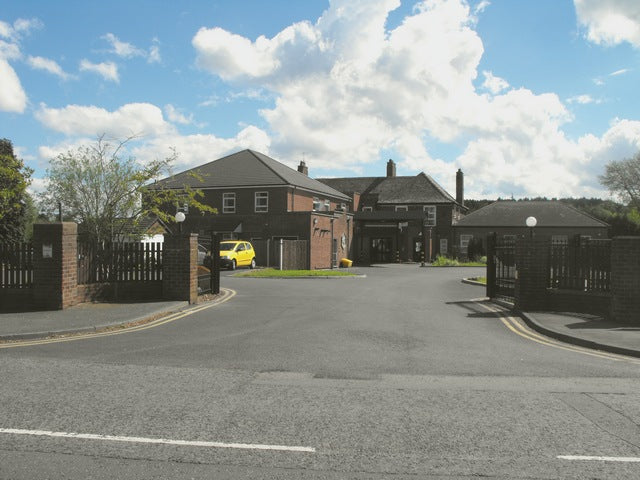
He lost that argument, and argued again in 1992. It took historians reading the Oldham notebooks to change things. On 13 March 2015 a blue plaque naming all three was unveiled at Dr Kershaw's in Royton. On 9 March 2022 the Royal Oldham Hospital unveiled a plaque honouring Jean Purdy and Sister Muriel Harris. In 2024 she was played by Thomasin McKenzie in the film Joy.
Edwards once told an audience: “There were three original pioneers in IVF not just two.” The record agrees.
Sources for this page
- Johnson MH, Elder K. The Oldham Notebooks. V. The role of Jean Purdy reassessed. Reprod Biomed Soc Online 2015;1(1):46 to 57. PMC5341260
- Gosden R. Jean Marian Purdy remembered: the hidden life of an IVF pioneer. Hum Fertil 2018;21(2):86 to 89.
- Churchill Archives Centre. The Archive of Robert Edwards (IVF pioneer), Jean Purdy section. chuarchivestories.uk
- University of Cambridge. The archive of Professor Sir Robert Edwards reveals his personal struggles, 10 June 2019. cam.ac.uk
- Northern Care Alliance NHS Foundation Trust. Plaque at the Royal Oldham Hospital, 9 March 2022. northerncarealliance.nhs.uk
- Bourn Hall Clinic. Jean Purdy, IVF pioneer. bournhall.co.uk
- PubMed: papers by Purdy JM with Edwards RG or Steptoe PC, 1970 to 1985.

